I believe it was in the fourth grade at Chapman Elementary School that the visiting music teacher introduced us to the Alabama State Song, written by educator and prison reformer Julia Tutwiler:
Alabama, Alabama, we will aye be true to thee,
From thy Southern shore where groweth, by the sea thine orange tree.
To thy Northern vale where floweth, deep and blue thy Tennessee.
Alabama, Alabama, We will aye be true to thee!
This cheeky 10 year old enjoyed thinking of the song (and even referring to it out loud - among friends) as “Alabama Alabama, we will A, B, C, D, E.”
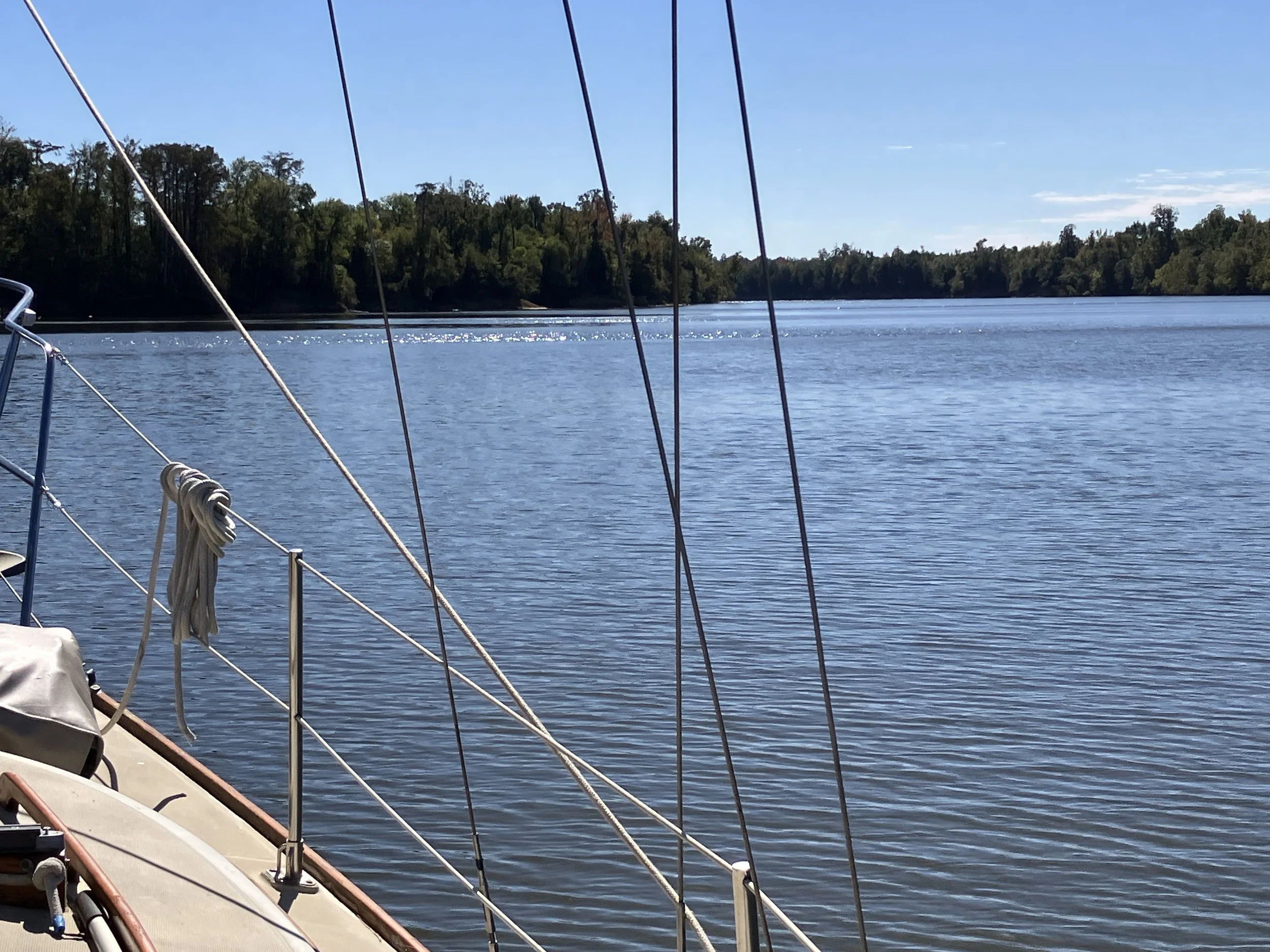
That girl never imagined that she would begin her retirement by making a journey found in the lyrics of that first verse. Although we would have to switch out some of the lines to have it describe our our trip from the northern vale of the Tennessee River to the southern shore and the orange tree by the sea.
In school we never sang the later verses, where Tutwiler celebrates many of the rivers by which such a journey can be made, including the Alabama River, the Tombigbee, and the Black Warrior, named for Chief Tuscaloosa.
Broad the Stream whose name thou bearest; Grand thy ‘Bigbee rolls along;
Fair thy Coosa - Tallapoosa, Bold thy Warrior, dark and strong.
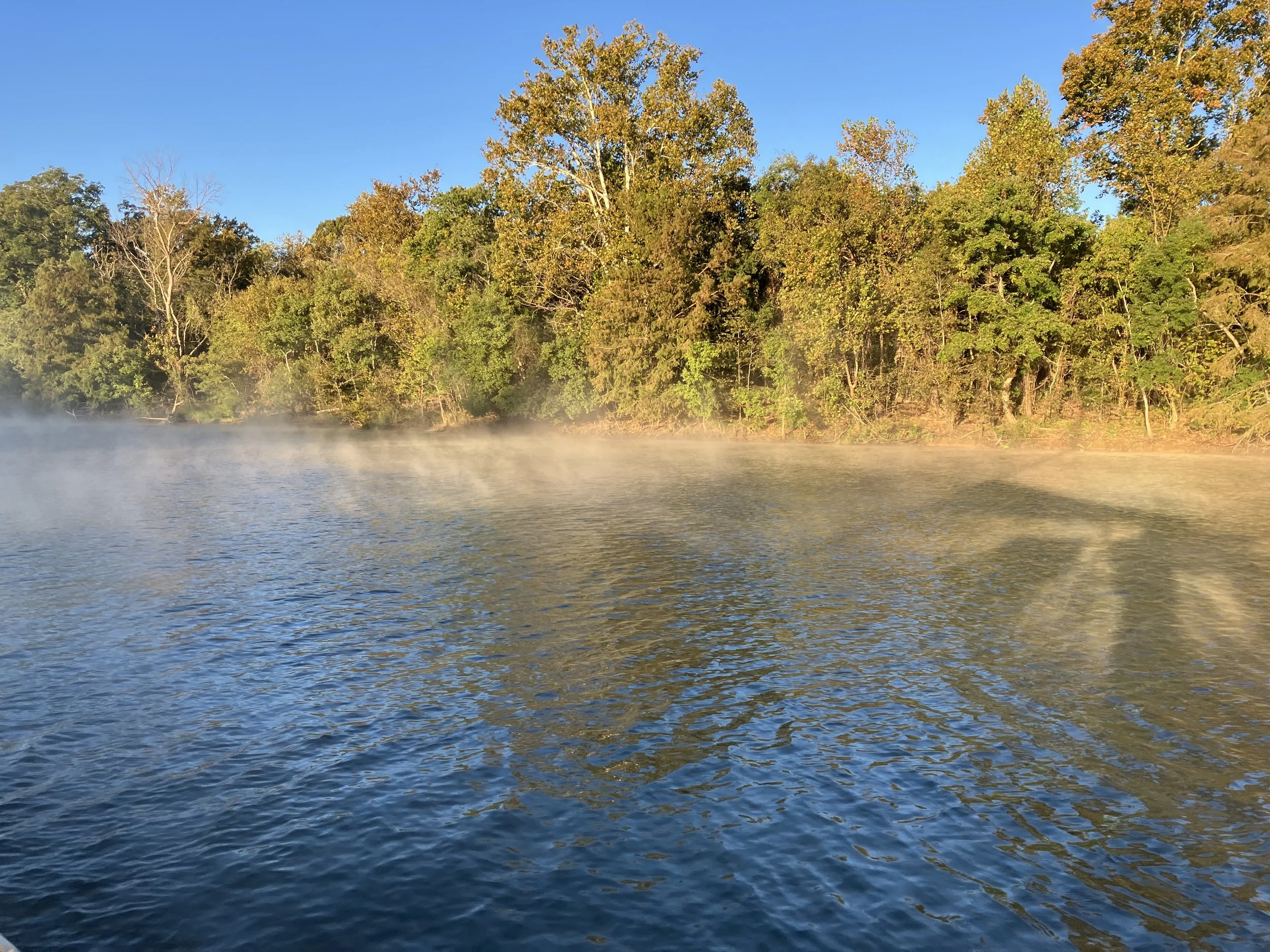
As I took my turns steering Kotona on lovely but lonely stretches of the Tenn- Tom, the song Alabama, Alabama was one that would play in my mind from time to time. I have spent much of the past 50 years or so considering myself part of the Realm of God, Pastor of the United Methodist Church or a citizen of the US and this beloved planet. Being an Alabamian has not played a large role in my identity. But I am feeling more Alabamian these days.
I have been looking up my four grandparents on genealogy websites in the past few months. I grew up knowing a lot about the Parsons and the Dobbs backgrounds since the male surnames were carried on through the generations. But I wanted to discover more about the Harrisons and the Cooks - my grandmothers’ families. I also wanted to learn more about where my people had come from. When did they immigrate to North America, and from where? What attracted them to Alabama? Why did they stay?
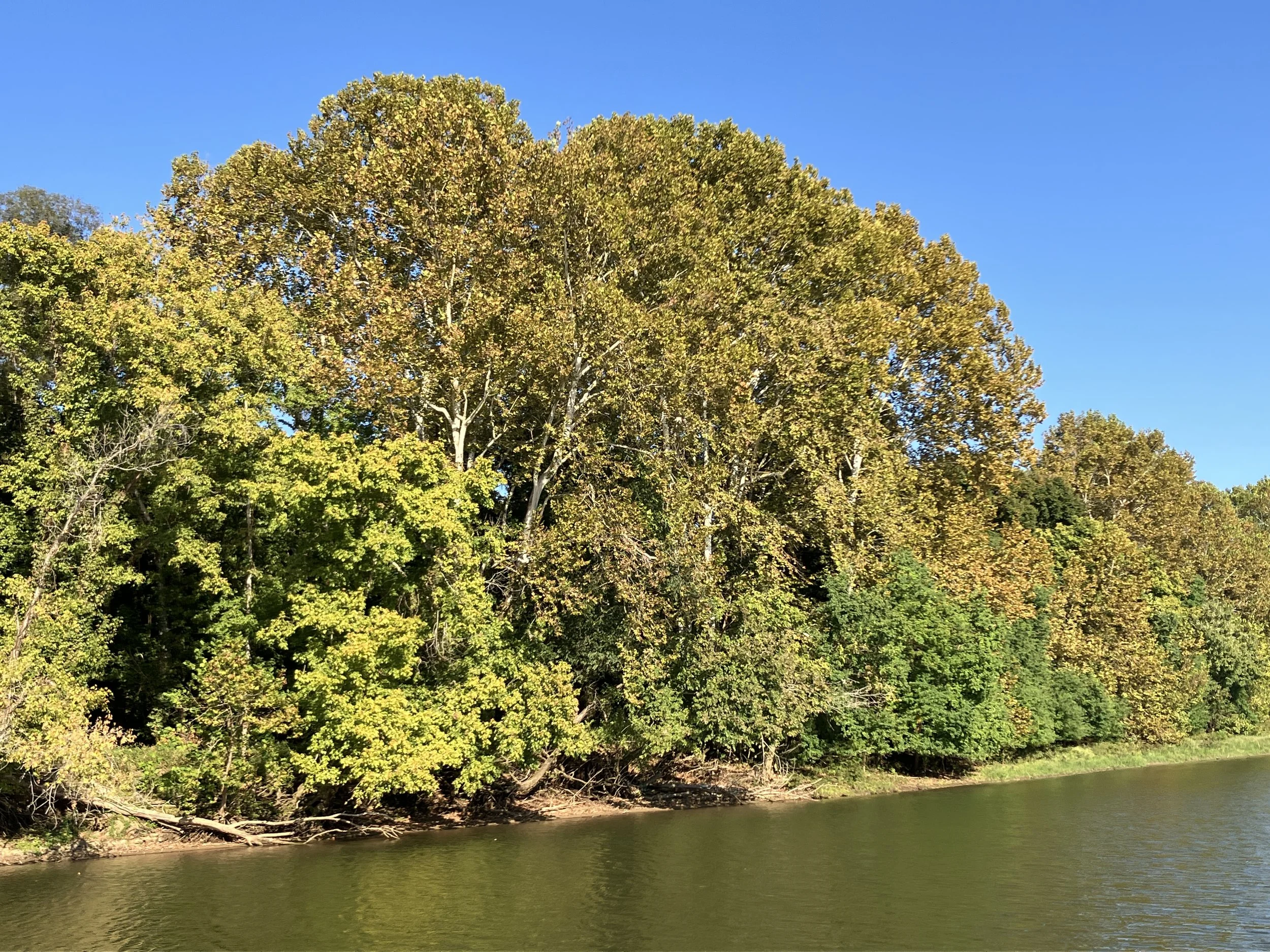
It was a great time to be traveling very slowly through this state. I am very familiar with north and east Alabama : Birmingham and Huntsville from my younger years, and then Stevenson, Homewood, Center Point, Childersburg and Hartselle from churches I served over the years of ministry. But I knew far too little about the western and southern parts of Alabama. So often as I found records of my ancestors, I discovered that they came to North America by way of North or South Carolina or Georgia, and then moved west to these places in Alabama that I knew so little about. And they were places near to the Tombigbee River.
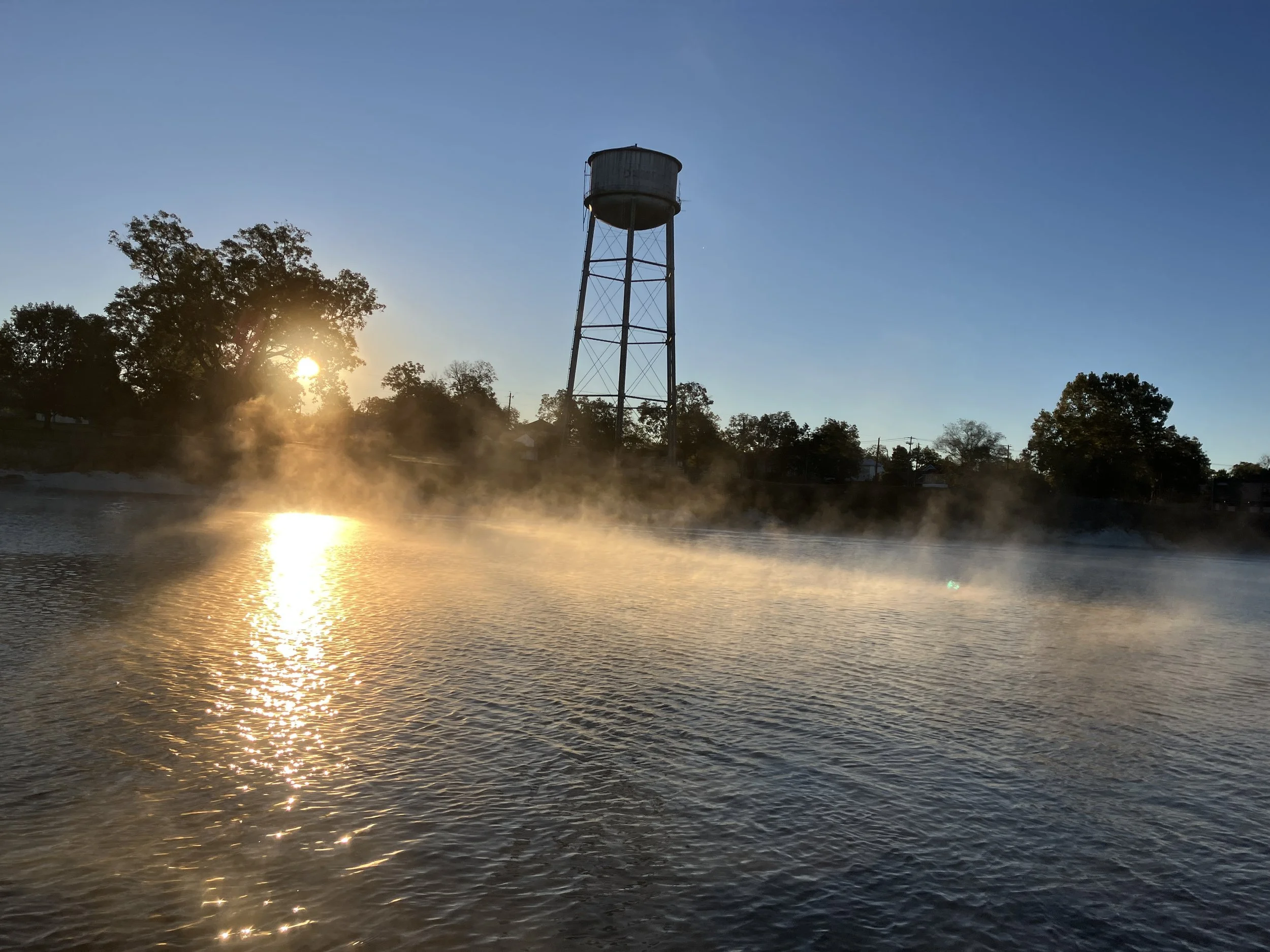
One branch of my family settled in Perry County, in the area where the county seat city of Marion would later be established. They bought or were granted lands where Native Americans had recently been pushed out; lands well suited for growing cotton. And yes, they brought enslaved people to do that hard work. When I learned this, David and I were spending six months in Demopolis, less than an hour away by car. We drove through Marion just the other day, and I felt both connected to this land and estranged from it.
Other forebears settled as miners in the Tuscaloosa area, others in Bibb, Chilton, St. Clair and Shelby Counties. I learned that the British branch of my ancestors arrived in Alabama after the Civil War was over, when mining built the city of Birmingham and many areas to its west: Ensley, Wylam, Fairfield, and Bessemer. David and I have traveled through all these areas whenever we made trips back to Decatur. I revel in so many new connections with my family history.
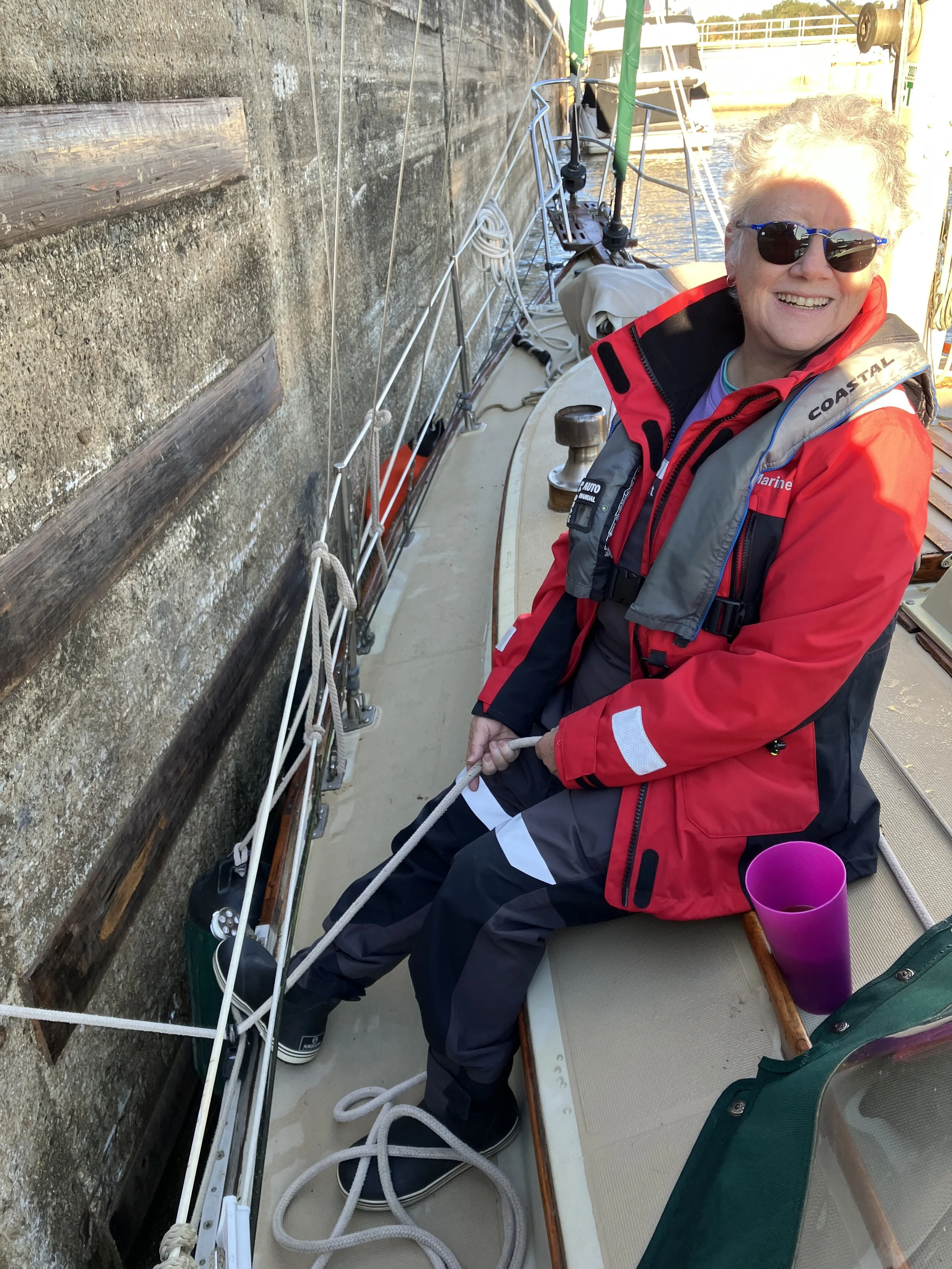
I am compiling stories of my forebears to share with my nieces and nephews. They are all young adults at this point, with little interest yet in genealogy. But I know the regret of losing loved ones before you get around to asking them for the stories of the family. Motoring through these lands on the rivers that brought some of my people here has been so meaningful to me.
From thy praries broad and fertile, where thy snow white cotton shines.
To the hills where coal and iron hide in thy exhaustless mines.
Strong-armed miners, sturdy farmers: loyal hearts what'er we be.
Alabama, Alabama, We will aye be true to thee!